Map of Population Density in England as at the 2011 Census
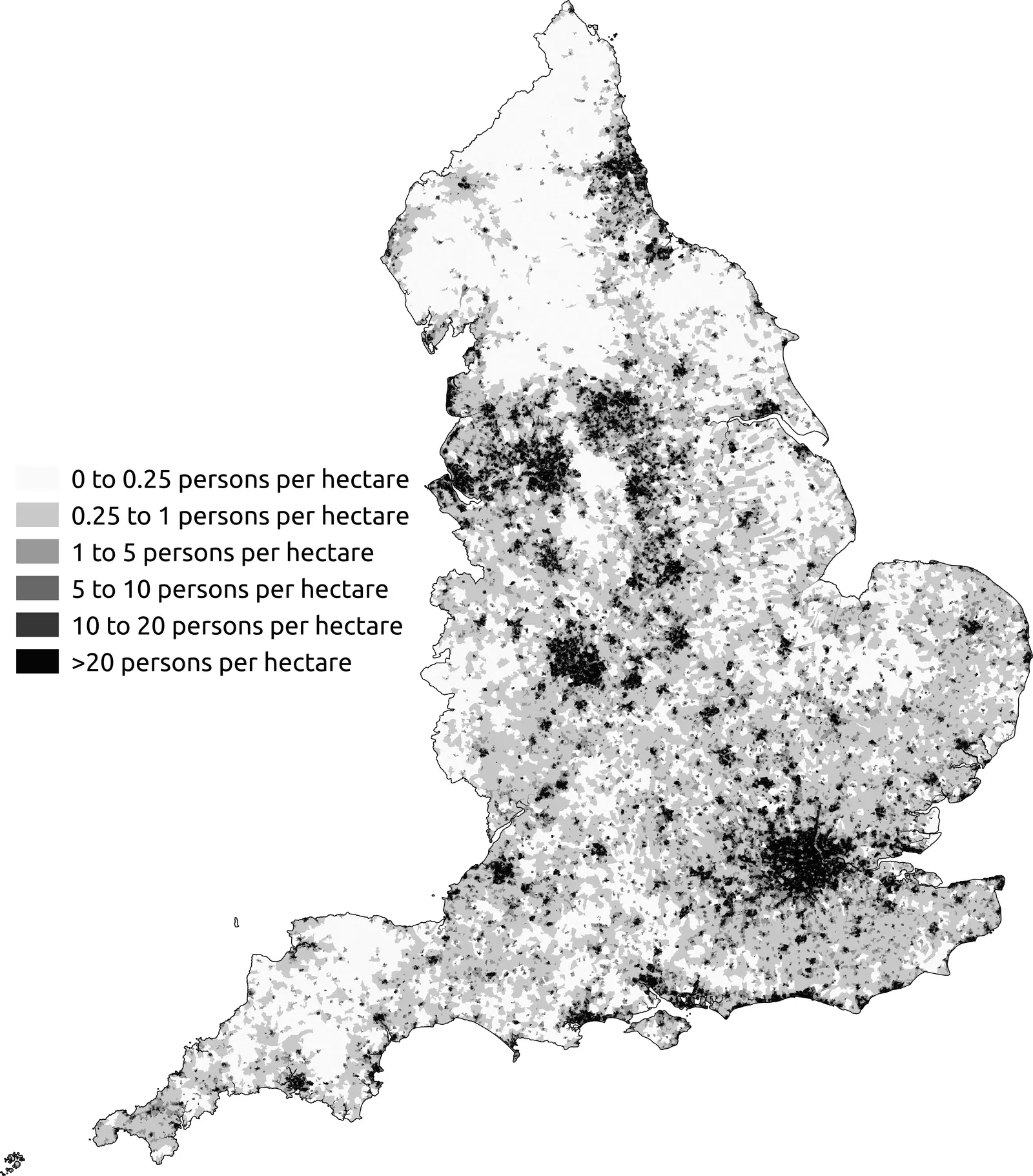
Click or tap the map to enlarge it.
Key Takeaways
- Population density is the measure of population per unit area or volume.
- The 2011 census provides valuable data on the population density in England.
- Mapping the population density can help identify areas of high and low population concentration.
History
Mapping population density has been a fundamental tool for cartographers for hundreds of years. By visualizing how populations are distributed across a specific area, maps provide valuable insights into social, economic, and environmental patterns. The map of population density in England as at the 2011 Census is an important representation of the spatial distribution of the population within the country.
Unique Insights
The map of population density in England reveals interesting and unique insights about the country’s demographics. Some of the key observations include:
- The highest population density is primarily concentrated in urban areas such as London, Manchester, and Birmingham.
- Rural areas and national parks tend to have much lower population densities.
- Coastal regions have higher population densities due to various factors such as tourism, employment opportunities, and transportation.
- The map shows a clear correlation between population density and infrastructure development such as road networks and railway lines.
Table of Relevant Facts
| Location | Population Density (persons per square kilometer) |
|---|---|
| London | 5,671 |
| Manchester | 4,682 |
| Birmingham | 3,649 |
| Yorkshire Dales National Park | 9 |
| Cornwall Coastline | 115 |
FAQ
1. How is population density calculated?
Population density is calculated by dividing the total population of an area by its land area. The result is typically expressed as a number of persons per square kilometer.
2. What are the benefits of mapping population density?
Mapping population density allows policymakers, urban planners, and researchers to understand how populations are distributed. This information can be crucial for resource allocation, infrastructure planning, and public policy development.
3. How does population density affect the quality of life?
High population density in urban areas can lead to challenges such as increased traffic, environmental pollution, and strains on infrastructure. On the other hand, low population density in rural areas may result in limited access to services and employment opportunities.
4. Are there any exceptions to the general population density patterns in England?
Yes, there are exceptions. For example, some rural areas with tourist attractions or natural resources may experience higher population densities despite not being major urban centers.
5. How do population density maps contribute to urban planning?
Population density maps help urban planners identify areas that require additional infrastructure development, such as public transportation, schools, hospitals, and affordable housing.
6. How does population density impact environmental sustainability?
Higher population density can lead to increased pressure on natural resources, energy consumption, and waste generation. Managing population density is essential for promoting sustainable development.
7. Are there any population density changes observed between the 2011 Census and present-day?
It is important to note that population density can change over time due to various factors such as migration, urbanization, and demographic shifts. Comparing the 2011 Census data with more recent data would reveal the population density changes if any.