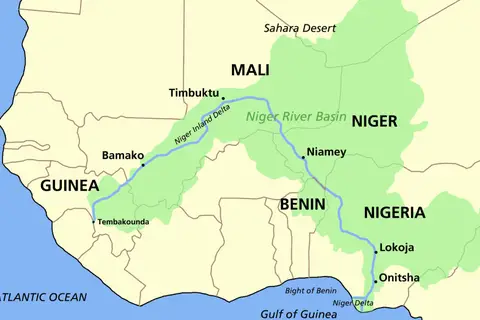
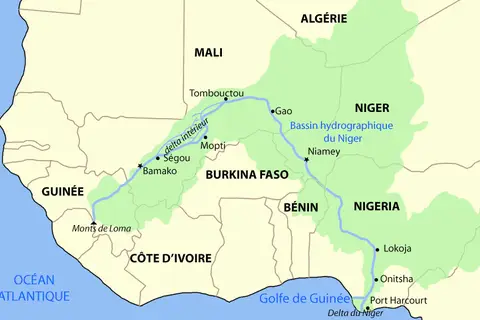
Map of River Niger
Key Takeaways
- The map of River Niger showcases the course and surrounding geography of one of Africa’s longest and most important rivers.
- River Niger plays a vital role in the economy, transportation, and ecosystem of the countries it traverses.
- Understanding the map helps in grasping the historical significance and the geographical context of the area.
History of River Niger
The River Niger has a rich historical background dating back to ancient times. It became a key trade route for several West African empires, providing passage for goods, ideas, and cultural exchanges.
The exploration of River Niger by European explorers during the 18th and 19th centuries sparked significant interest in mapping its course and understanding its potential for trade and colonization.
Unique Insights
1. The River Niger is the third-longest river in Africa, stretching approximately 4,180 kilometers from its source in Guinea to its mouth in Nigeria.
2. It is a vital water source for numerous countries, including Guinea, Mali, Niger, Benin, and Nigeria.
3. River Niger provides important irrigation for agriculture, supporting the livelihoods of millions of people.
4. The Niger Delta, where the river meets the Gulf of Guinea, is one of the largest and most significant wetlands in the world.
Relevant Facts
| Year | Event |
|---|---|
| 4000 BC | Human settlements along the river begin. |
| 8th – 11th century | The rise and fall of the Ghana, Mali, and Songhai empires, with River Niger as a crucial trade route. |
| 1796 | Mungo Park, a Scottish explorer, becomes the first European to reach the Niger. |
| 1896 | The Niger River Expedition, led by French Captain Paul Gallieni, navigates the river for the first time. |
| 1964 | Kainji Dam, one of the largest dams in Africa, is completed on the Niger River. |
| 1992 | Creation of the Niger Basin Authority to promote sustainable management of the river’s resources. |
Frequently Asked Questions
1. What is the significance of the Niger River?
The Niger River is of immense significance as it provides water for agriculture, supports transportation, and sustains the ecosystems of the surrounding regions. It has played a crucial role in the historical and cultural development of West Africa.
2. What are some major cities located along the Niger River?
Several major cities are situated along the course of the Niger River, including Bamako (Mali), Niamey (Niger), and Onitsha (Nigeria). These cities rely on the river for various economic activities.
3. Are there any tourist attractions along the Niger River?
Absolutely! The Niger River offers several tourist attractions, such as the historic city of Timbuktu in Mali, the Niger River delta in Nigeria, and the stunning landscapes along its banks.
4. How does the Niger River impact the local economy?
The Niger River supports agriculture by providing water for irrigation. It facilitates trade and transportation, enabling the movement of goods and people. Additionally, fishing along the river contributes to the local economy.
5. Is the Niger River prone to flooding?
Yes, the Niger River is prone to seasonal flooding, particularly during the rainy season. These floods are both a blessing and a challenge, as they replenish the soil’s nutrients while occasionally causing damage to settlements in flood-prone areas.
6. What threats does the Niger River face?
The Niger River faces various threats, including pollution from industrial activities and agricultural runoff, deforestation along its banks, and the impacts of climate change. Efforts are being made to address these challenges and promote sustainable management.
7. Are there any dams on the Niger River?
Yes, several dams have been constructed on the Niger River to harness its water resources. These include the Kainji, Jebba, and Shiroro dams in Nigeria, which provide hydroelectric power and support irrigation schemes.