Maps explained: history, borders, data and design

Land of Maps

History

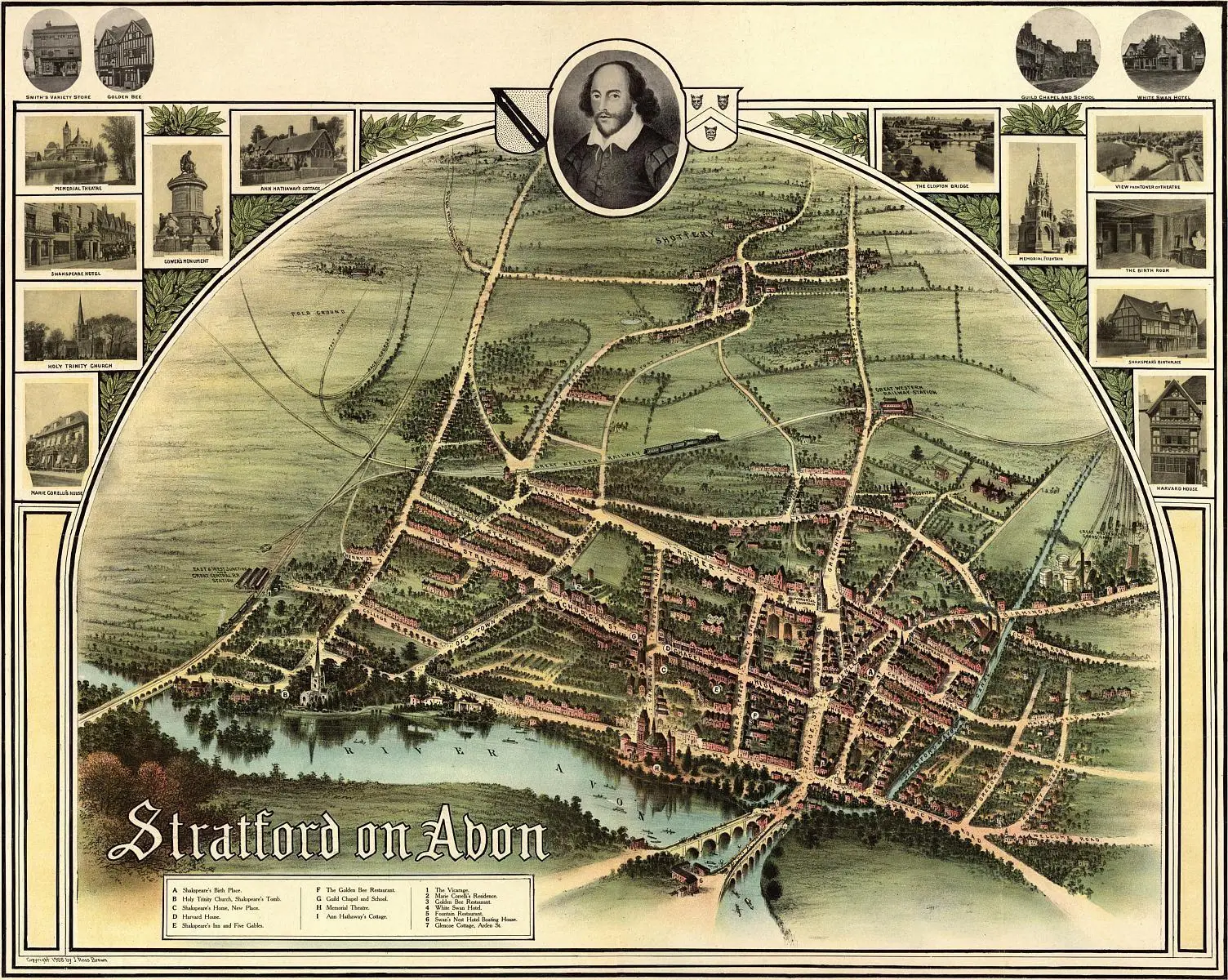
Stratford on Avon Historic Map 1902
By the Land of Maps editorial team · Published · 4 min read

Map: Stratford on Avon Historic Map 1902

Click or tap the map to enlarge it.

Stratford on Avon Historic Map 1902. Image from the Land of Maps archive.

Stratford On Avon Historic Map 1902

Key Takeaways

  • Explore the rich history of Stratford On Avon with this 1902 map.
  • Relive the charm of the past and discover how the town has transformed over the years.
  • Uncover hidden landmarks, historic buildings, and popular tourist spots.
  • Get a glimpse of the town’s layout and understand its significance in the region.

History

Stratford On Avon is a historic town located in Warwickshire, England. It gained prominence during medieval times for its thriving trade and strategic location. The Stratford On Avon Historic Map from 1902 provides a glimpse into the town’s past and showcases its intricate layout and important landmarks.

In 1902, Stratford On Avon had already established itself as a popular tourist destination due to its close association with the renowned playwright William Shakespeare. Visitors from all over the world flocked to the town to visit Shakespeare’s birthplace and catch performances at the Royal Shakespeare Theatre.

The map illustrates the town’s main streets, parks, and public buildings. It also highlights key locations such as Holy Trinity Church, where Shakespeare was buried, and the iconic avon river.

By exploring this historic map, you can gain insights into the town’s growth and development over time, appreciating how it has maintained its historic charm while embracing modern elements.

Unique Insights

1. Intertwining of Old and New: The map highlights how Stratford On Avon seamlessly blends its historic architecture with newer developments. You can witness the juxtaposition of timber-framed buildings and modern establishments, capturing the essence of the town’s unique character.

2. Centrality of Shakespeare: The presence of Shakespeare-related sites throughout the map underscores the influence and significance of the playwright on the town’s identity. From his birthplace to the Royal Shakespeare Theatre, Stratford On Avon pays homage to its most famous resident.

3. Preservation of Green Spaces: Even in 1902, Stratford On Avon displayed a commitment to preserving its parks and green spaces. The map showcases the presence of several parks, allowing visitors to relax and take in the natural beauty that surrounds the town.

4. River Avon: The River Avon flows through the heart of Stratford On Avon, creating a picturesque backdrop and serving as a hub for recreational activities. The map highlights various riverfront features, enticing visitors to explore and engage with the waterbody.

Relevant Facts

Year Fact
1564 William Shakespeare, the renowned playwright, was born in Stratford On Avon.
1599 The original Globe Theatre was built in London, featuring many of Shakespeare’s plays.
1879 The Shakespeare Memorial Theatre (now the Royal Shakespeare Theatre) opened in Stratford On Avon.
1902 The Stratford On Avon Historic Map was created, capturing the town’s layout and landmarks.
1916 Albert Einstein formulated the theory of general relativity.

FAQ

  • 1. Can I still visit the places depicted on the historic map?

    Yes, many of the landmarks depicted on the map still exist and can be visited today. Some may have undergone renovations or changes, but their historical significance remains.

  • 2. How can I obtain a physical copy of the 1902 map?

    You may find physical copies of the 1902 historic map at local antique stores, specialized map shops, or through online auctions and marketplaces. Additionally, digital copies may be available from reputable map archives.

  • 3. Are there guided tours available to explore Stratford On Avon’s history?

    Absolutely! Stratford On Avon offers various guided tours that focus on the town’s rich history, including Shakespeare-related sites. These tours provide fascinating insights into the town’s heritage and its impact on literature and theater.

  • 4. Can I use the historic map for research purposes?

    Yes, the historic map can be an excellent resource for research purposes. It offers valuable visual information about the town’s layout and can be used in academic projects, historical analyses, or personal exploration of the town’s history.

  • 5. What are some other notable attractions in Stratford On Avon?

    In addition to the Shakespeare-related sites, Stratford On Avon boasts other notable attractions such as Anne Hathaway’s Cottage, Mary Arden’s Farm, and the charming streets filled with unique shops and restaurants.

  • 6. Are there any events or festivals held in Stratford On Avon?

    Yes, Stratford On Avon hosts various events and festivals throughout the year. Some notable ones include the Stratford Literature Festival, the Stratford Music Festival, and the Stratford River Festival.

  • 7. Can I use the historic map to navigate the town?

    While the historic map provides valuable insights into the town’s layout and landmarks, it may not be sufficient for navigation purposes as modern changes and infrastructure may not be accurately represented. It is recommended to also utilize up-to-date maps or GPS systems.

External Links

Map: St Michaels Historic District Map 2014

History

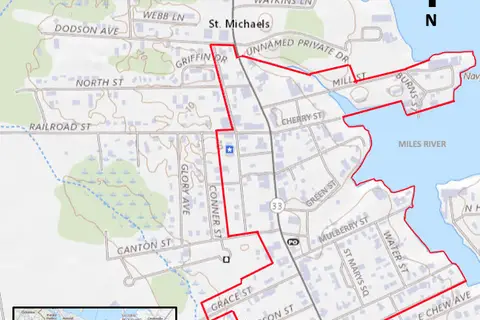
St Michaels Historic District Map 2014

The St Michaels Historic District Map 2014 showcases the historic district of St Michaels, a charming town located on Maryland’s Eastern Shore.

History

Flagmap of the Swedish Empire 1658

The Flagmap of the Swedish Empire 1658 is a cartographic representation of the territorial holdings of the Swedish Empire at the height of its power in.

Map: Tang Dynasty Map Vi Version

History

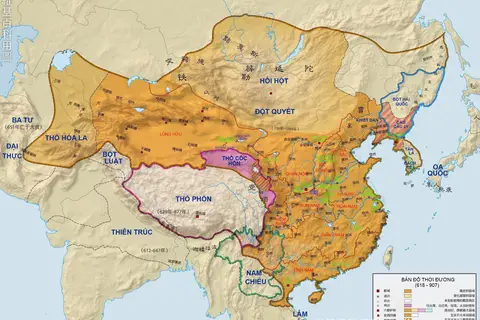
Tang Dynasty Map Vi Version

The Tang Dynasty, which spanned from 618 to 907 CE, was a golden age in Chinese history known for its cultural prosperity, international trade.

Map: 1754 Tartaria Map

History

1754 Tartaria Map

The 1754 Tartaria Map, also known as the “Mapa da Tartária” in Portuguese, was created by the cartographer Antonio Fonseca in Lisbon, Portugal.